What Are Security Headers and Why Does Your WordPress Site Need Them?
When someone visits your WordPress site, their browser and your server have a conversation. Your server sends back the page the visitor…
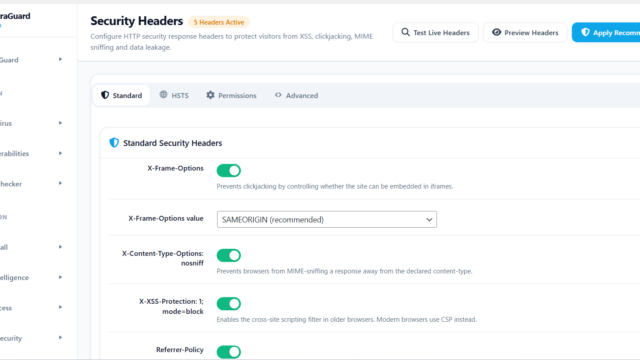
When someone visits your WordPress site, their browser and your server have a conversation. Your server sends back the page the visitor…
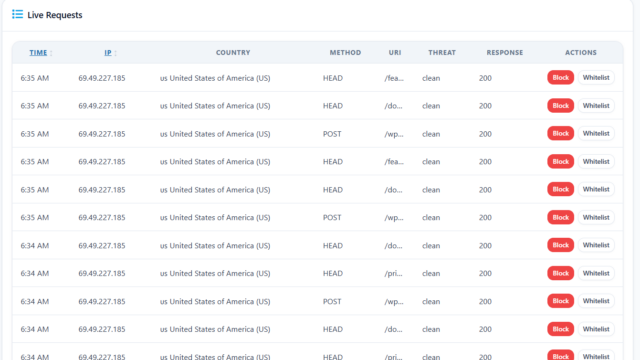
Most WordPress site owners manage security the same way they manage their car — they ignore it until something goes wrong. The…
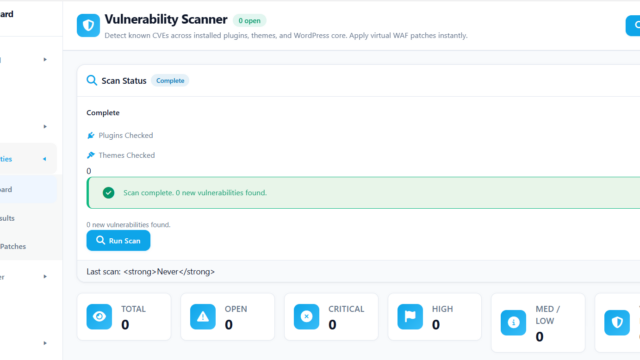
Here is an uncomfortable fact about WordPress security. The majority of WordPress sites that get hacked are not hacked because of a…
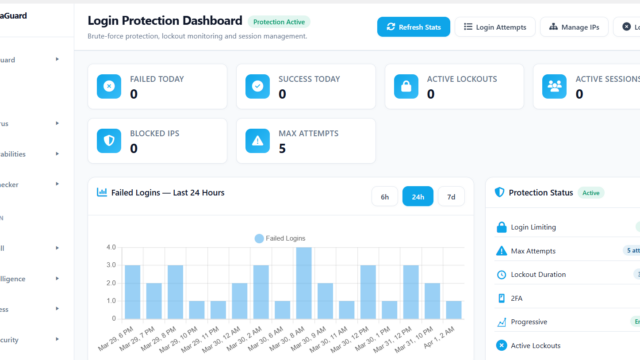
Every WordPress site in the world has a login page at the same address. Type /wp-login.php after any WordPress domain and you…
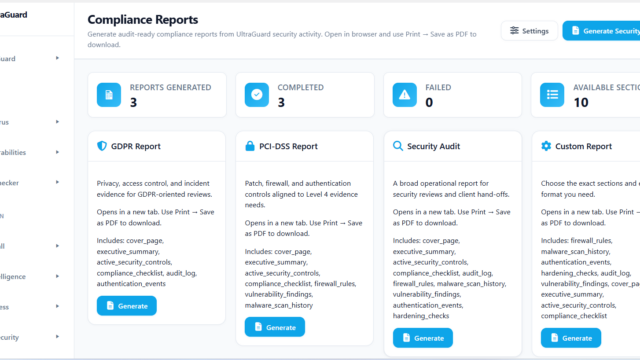
You have spent time and money securing your WordPress site. You have a firewall running, a malware scanner doing daily checks, login…
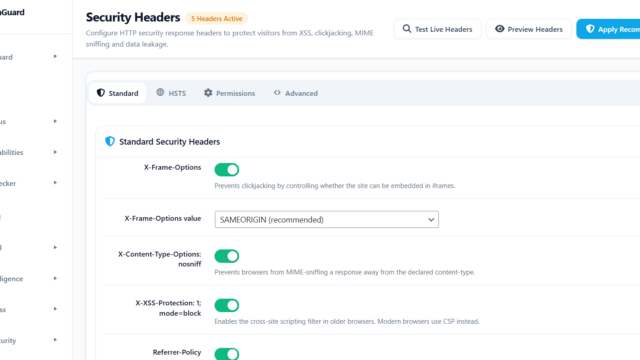
Most people think about WordPress security the same way they think about a burglar alarm: you install it, and if someone tries…
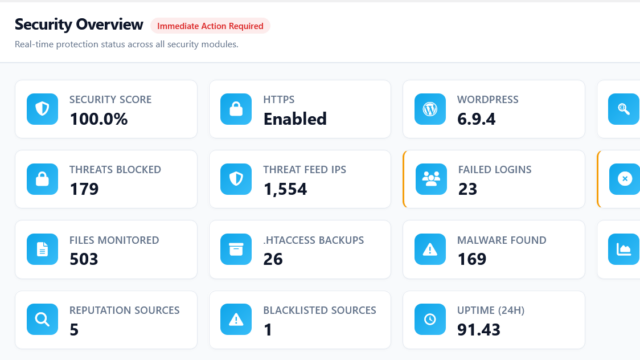
When someone says “my WordPress site was hacked,” the most common story goes like this: the site looked fine for weeks or…
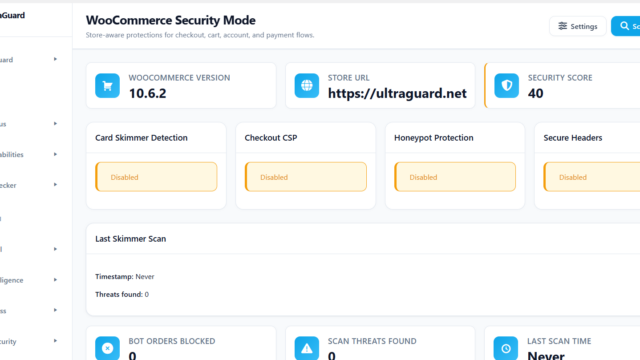
Running a WooCommerce store means handling something that hackers want more than almost anything else on the internet: payment card data. Every…
If you run a WordPress site that handles customer data, processes payments, or operates in a regulated industry, you have probably heard…